
Ranthambore in Rajasthan and Jim Corbett in Uttarakhand are the two tiger reserves most travellers think of first, and both are within a day’s drive of Delhi. They are very different places.
Landscape
Ranthambore is dry deciduous forest: rocky hills, open grassland, lakes and a thousand-year-old fort with palace ruins. Corbett is greener and wetter: tall sal forest, grassland chaurs and the Ramganga river, at the foot of the Himalaya.
Seeing tigers
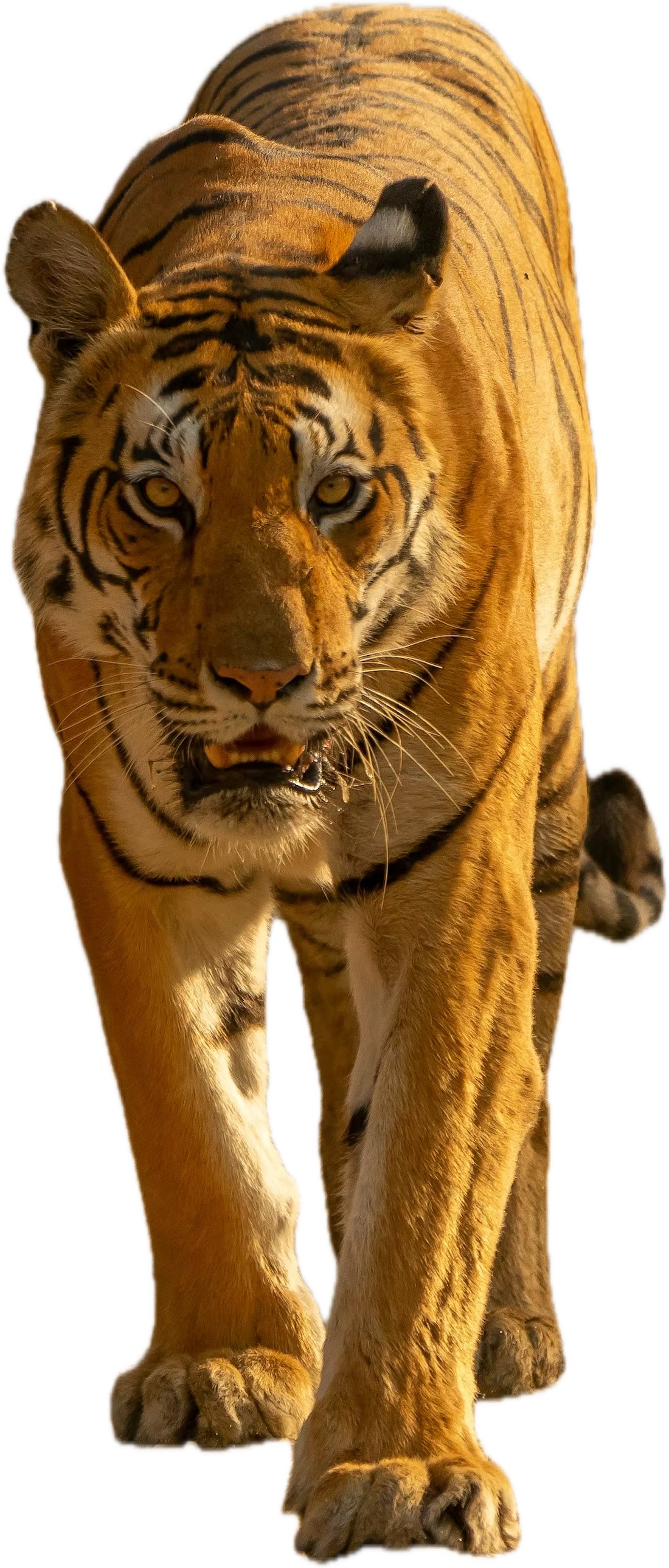
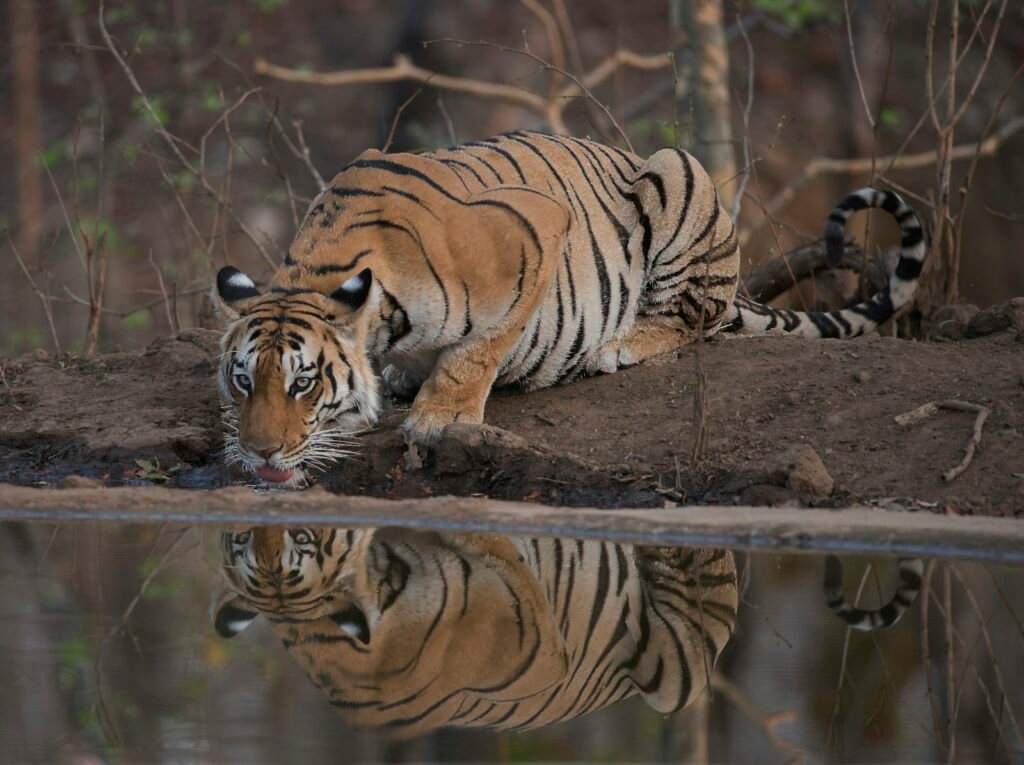
Corbett has one of the highest tiger populations in India, but its dense forest can hide them. Ranthambore’s open forest and waterholes, especially from March to June, make tigers famously visible on a short trip. Neither park can guarantee a sighting.
Other wildlife
- Ranthambore: leopard, sloth bear, striped hyena, mugger crocodile, sambar, chital, nilgai, chinkara
- Corbett: Asian elephant, leopard, gharial and mugger in the river, hog deer, a huge bird list
Season
Ranthambore’s core zones open from October to June. Corbett’s main zones also close in the monsoon, with a couple of zones usually open longer. Winter is lovely in both; summer is hot in Ranthambore and milder in Corbett.
Getting there
Ranthambore is on the Delhi–Mumbai railway line at Sawai Madhopur, with trains of around five to six hours from Delhi, and is close to Jaipur and Agra for a Golden Triangle trip. Corbett is reached by road or train via Ramnagar.
So which one?
- First tiger safari, short trip, Golden Triangle: Ranthambore
- Elephants, rivers and staying inside the forest: Corbett
- History and wildlife together: Ranthambore, with its fort and temple
Many wildlife lovers end up visiting both. If Ranthambore is your pick, send us your dates.